

The BoRIA Post
The official newsletter of the Battle of Rhode Island Association featuring news, events and Rhode Island history. Learn more at www.battleofrhodeisland.org.
Jim Stearns, Editor
October 1st 2026
Share this Page
Sign up for our Monthly Email Newsletter!
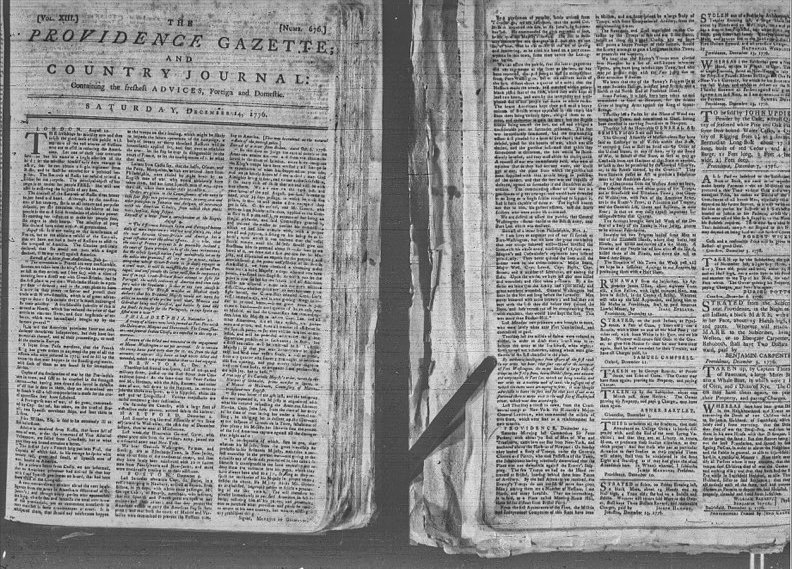
This issue’s lead article comes from Bob Geake — Rhode Island public historian, author of more than fifteen books on the state’s Revolutionary-era, Native American, maritime, and social history, and a familiar name to many of our readers from his work with Small State Big History, RI Footprints, and The Cocumscussoc Review.
For “1776: Gleanings from the Year,” Bob went back to the source: the Providence Gazette, John Carter’s patriot newspaper, printed week by week at the Shakespeare’s Head Press. Rather than retell 1776 as a finished narrative, he’s transcribed the notices as Rhode Islanders actually read them — raids on Goat Island and Conanicut, the alarm at Prudence Island and Warwick, privateers hauling prizes into port all year, and the British fleet’s arrival off Newport that December — with his own extensive endnotes untangling the ships, officers, and local figures behind the often-terse reporting.
It’s a different way of experiencing the year: fragmentary, delayed, sometimes contradictory — exactly how the news reached Rhode Islanders as the war unfolded around them. We think you’ll enjoy reading 1776 the way they did.
Click here to read.
National Trust Awards BoRIA $5,000 for Butts Hill Fort Interpretation

We’re pleased to announce that the National Trust for Historic Preservation has awarded BoRIA the full $5,000 we requested from its Preservation Fund, supporting our project “Interpreting the Revolutionary War Landscape at Butts Hill Fort.” The grant anchors a new initiative that will bring scholarship and technology to how visitors understand the fort — above all, how it was built, first by the British and later by the French, and the role it played in the Battle of Rhode Island. We’re partnering with EduceLab at the University of Kentucky, under the direction of Dr. Hugo Reyes-Centano, along with historians Dr. Robert Selig and Dr. John Robertson and archeologist Jay Waller to ground the new interpretive materials in the latest research on the site.
Thank you to the National Trust for Historic Preservation for recognizing Butts Hill Fort’s significance, and to everyone who continues to support BoRIA’s work to understand, share, and preserve this Revolutionary War landscape.
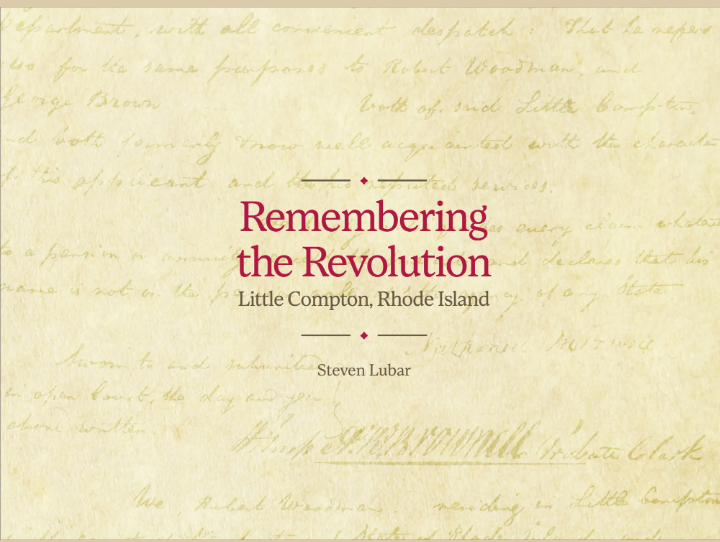
Imagine being able to hear directly from the men and women who lived through the American
Revolution. Steven Lubar’s new book, Remembering the Revolution: Little Compton, Rhode Island, brings their experiences to life through the words and records they left behind. Readers can listen in on town meetings where discussions reveal what one observer called “the town’s mind,” read newspaper accounts of spinning matches and tea boycotts, and follow the war through the details of everyday life—in the army, aboard ships, and on the home front. Particularly moving are the letters written by veterans and their widows as part of their applications for military pensions. Although no battles were fought in Little Compton, the British
occupation of nearby Newport ensured that the Revolution touched virtually everyone in the community.
Steven Lubar, Ph.D., is past President of the Little Compton Historical Society and George L. Littlefield Professor of American History, emeritus, at Brown University. He earned his doctorate in history from the University of Chicago and, before joining Brown, spent nearly two decades at the Smithsonian’s National Museum of American History, where he served as a curator and chaired the Division of the History of Technology. A Guggenheim Fellow, Lubar has written extensively on American history, museums, material culture, and public history. His books include Inside the Lost Museum: Curating, Past and Present, Legacies: Collecting America’s History at the Smithsonian, and Engines of Change: The American Industrial Revolution.
Click here to read.
Purchase the Book
Remembering the Revolution: Little Compton, Rhode Island is available from the Little Compton Historical Society:
https:/
Hear the Stories Brought to Life
Readers may also enjoy a performance presented by the Little Compton Historical Society based on the pension documents and personal accounts featured in this history:
Little Compton stood on the Revolutionary War’s front line. Drawing on vivid pension accounts from local veterans and widows, Steven Lubar explores how the town’s residents endured raids, scarcity, military service, and constant uncertainty during the British occupation of nearby Aquidneck Island—and how their experiences shaped their participation in the 1778 Battle of Rhode Island.
Click here to read.
Butts Hill Fort Volunteer Fall Cleanup
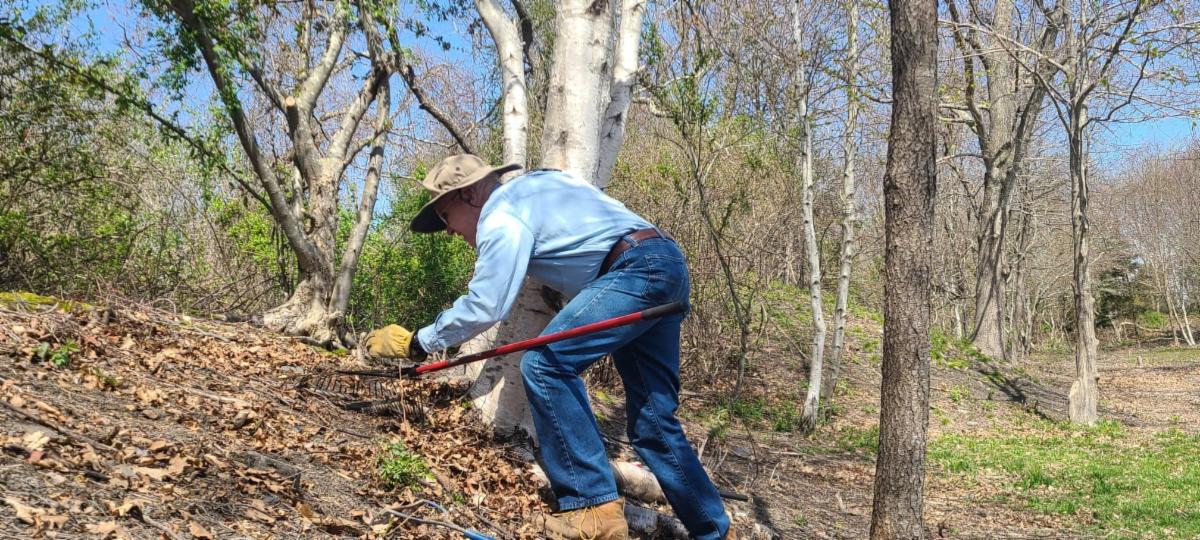
Portsmouth, RI. The Butts Hill Fort Restoration Committee (BHFRC) is inviting volunteers to our Fall Cleanup on Saturday, October 31st (Rain date is Sunday, Nov. 1st). Cleanup starts at 10 AM till 1 pm. Come anytime. The meeting point is the Fort gate on Butts St. off Sprague Street. Google “26 Butts Street” for directions to the Main Gate. Parking will be available inside the Fort Parade Field. Paved Parking available at Portsmouth High School tennis court lot, or on Dyer Street. Do not park on Butts Street.
This is our 3rd annual “Col. Burton C. Quist USMC Commemorative Clearing” in memory of BHFRC “Founding Father” who passed away in 2023. We welcome all U.S. Marines to join the volunteer brush fight as a way to celebrate America’s 250th and the Corps’ 251st birthday in November.
We will be clearing up ramparts and trenches ahead of the oncoming winter season. Every participant will need to sign a town liability form upon arrival. BHFRC officials will be on hand throughout the day, so if you join in progress, please sign in with a team member. Bring work gloves and dress warmly.
The Battle of Rhode Island Association is a 501(c)(3) non-profit committed to restoring and preserving Butts Hill Fort and raising awareness of Rhode Island’s role in the War for Independence. Donations may be made payable to “BoRIA” at PO Box 626, Portsmouth, RI 02871 or by visiting: https:/
The push continues on our “Re-take the Hill” campaign, our end goal is to raise enough funds to work on the Northern Ramparts which is the oldest part of the fort.
Rhode Island Revolutionary War Soldiers Honored in Wilmington, Delaware
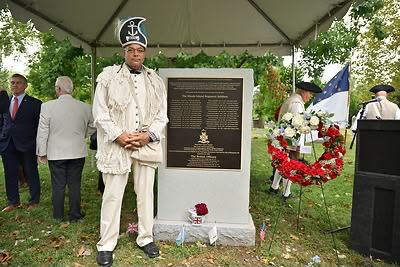
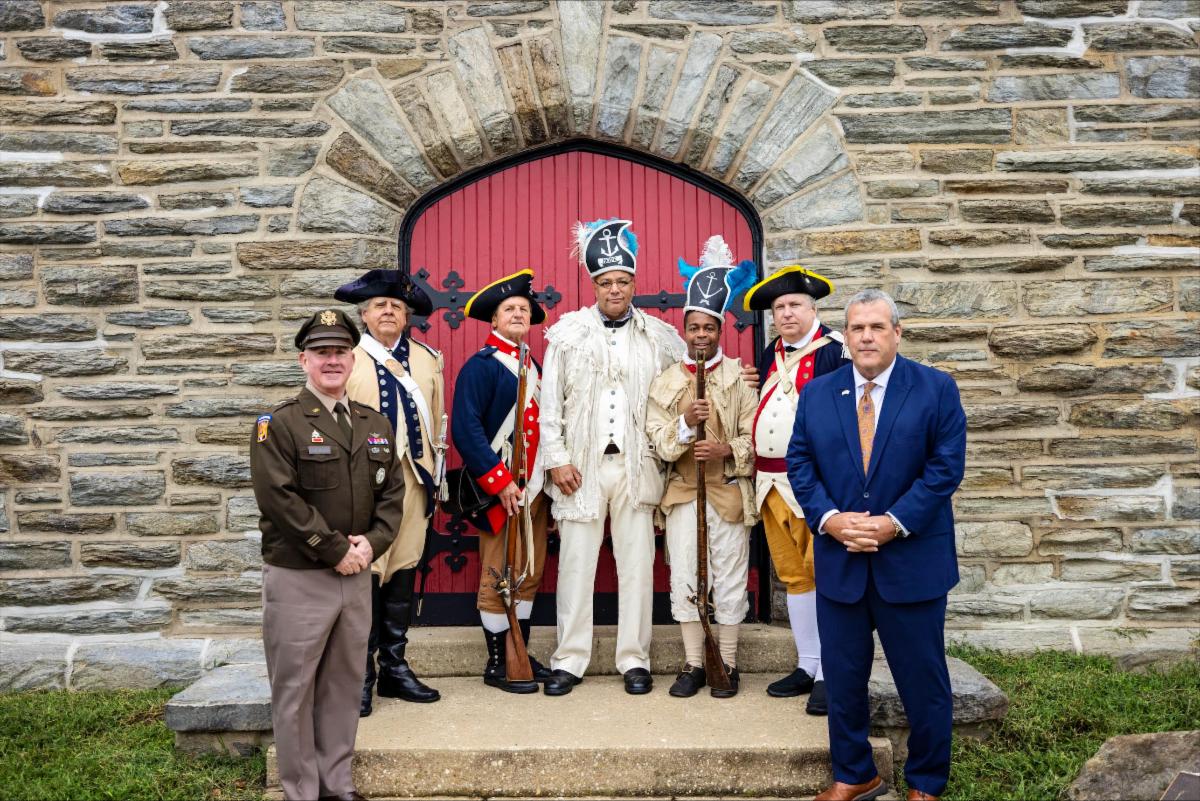
On September 23, 2026, a permanent memorial was dedicated at the Wilmington-Brandywine Cemetery, Wilmington, Delaware, for at least 66 Revolutionary War soldiers buried for nearly 250 years in a largely forgotten mass grave. The ceremony brought together representatives from Delaware and Rhode Island, the U.S. and British militaries, historical organizations, descendants, and reenactors as part of the nation’s 250th-anniversary observances.
What the Memorial Marks
The grave contains the remains of 28 soldiers of the Rhode Island Regiment and at least 38 British soldiers. Historical research has identified 33 of the men by name – all 28 Rhode Islanders and five British officers – an unusually high degree of identification for a Revolutionary War mass burial.
The Rhode Island contingent is particularly significant. Fourteen of the 28 Rhode Island soldiers were African American, and four had enlisted while enslaved. Their service reflects the extraordinary racial composition of Rhode Island’s Continental forces and provides another connection to the Black soldiers who served in the First Rhode Island Regiment and fought at the Battle of Rhode Island in 1778.
By the Yorktown campaign, Rhode Island’s Continental regiments had been consolidated into the Rhode Island Regiment. These soldiers participated in the campaign that culminated in the British surrender at Yorktown in October 1781. On their journey north afterward, disease – particularly smallpox – struck the regiment severely. The sick were treated in a military hospital established in Wilmington’s Academy building, on the present-day site of the Grand Opera House. Rhode Island soldiers who died there were buried in the city’s Poor and Strangers Burial Ground, an 18th-century potter’s field at 10th and King Streets.
The British soldiers buried with them came from an earlier chapter of the war. They had been wounded at the Battle of Brandywine in September 1777, brought to Wilmington for treatment, and died of their wounds.
From Rhode Island to Yorktown – and Wilmington
The story provides a remarkable connection between Rhode Island’s Revolutionary War history and the war’s conclusion. In 1778, the First Rhode Island Regiment, which included Black, Indigenous, and white soldiers, distinguished itself during the Battle of Rhode Island in Portsmouth. Rhode Island.
Continental soldiers continued serving long after the British evacuated Aquidneck Island. After consolidation of the state’s Continental regiments, the Rhode Island Regiment ultimately participated in the decisive Yorktown campaign of 1781. Victory did not mean that the danger was over. Disease remained one of the greatest killers of Revolutionary War soldiers. While returning north after Yorktown, smallpox and other illnesses swept through the Rhode Island troops. Twenty-eight of the men who died in Wilmington would eventually come to rest together in the grave now marked by the new memorial.
Private Caesar Rose
One of those soldiers was Private Caesar Rose, an African American Rhode Island soldier who served at Yorktown and died of smallpox in Wilmington on December 9, 1781. Nearly 245 years later, his descendant Jason Roomes participated in the September 23rd memorial ceremony. His presence provided an extraordinary personal connection between the Rhode Island soldiers of the Revolution and their descendants today.
A Grave Nearly Lost to History
The Rhode Islanders and British soldiers were not originally buried at Wilmington- Brandywine Cemetery. Historical research indicates that they were first interred in the Poor and Strangers Burial Ground. As Wilmington expanded during the nineteenth century, remains from that burial ground were disinterred and transferred to Wilmington-Brandywine Cemetery between 1850 and 1853. The soldiers were reburied collectively, and over time knowledge of exactly who rested there largely disappeared. Historian Bill Knightly and other researchers reconstructed the story through regimental records, hospital and death records, cemetery histories, and other archival sources. Their work connected the soldiers who died in Wilmington with the original burial ground and, ultimately, the later mass grave. Importantly, the men have been identified through historical records, not through DNA or forensic identification of individual remains. The evidence establishes that these men were buried in the original Wilmington burial ground and subsequently transferred together, but it does not associate particular skeletal remains with individual soldiers.
The September 23 Ceremony
The dedication ceremony was held at Wilmington-Brandywine Cemetery at 701 Delaware Avenue. The program included the Wilmington Police Department Color Guard, the U.S. and U.K. national anthems, remarks by Wilmington Mayor John Carney and other officials, reenactors, military honors, and the formal unveiling of the memorial. Rhode Island was represented by Secretary of State Gregg Amore and Rhode Island National Guard Adjutant General Andrew Chevalier. Jason Roomes participated as a descendant of Private Caesar Rose. Perhaps most importantly, the names of all 33 soldiers who have been identified were read aloud, restoring individual identities to men who had rested anonymously for generations. The closing commemorations included “Amazing Grace” on bagpipes, “Taps” and the British “Last Post” on trumpet, and a musket salute by Rhode Island Regiment reenactors.
Why It Matters
The Wilmington site is described as one of the largest known Revolutionary War mass graves in the United States. The new memorial does more than mark a burial place: it restores names and individual stories to men who had been largely forgotten for almost two and a half centuries. For Rhode Island, the memorial has particular significance. The story connects the soldiers who fought during the Rhode Island Campaign and Battle of Rhode Island in 1778 with the Continental Army’s ultimate victory at Yorktown in 1781 – and reminds us that for some soldiers, the final price of that victory was paid not on the battlefield, but from disease on the long journey home. Twenty-eight Rhode Island soldiers who never made it home now have their names remembered.
Click here for AP News clip on the event.
Joe Studlick and Jason Roomes
More Than 32,000 Views: Battle of Rhode Island Film Breaks Out on YouTube
Our documentary film premiered on July 16 at the Portsmouth Historical Society before an audience of more than 100 people. Subsequent screenings at other historical societies have brought total in-person attendance to more than 400.
BoRIA’s Battle of Rhode Island film has turned out to be a genuine breakout on YouTube. Starting from a base of just 80 subscribers, and released on August 14, the film has been viewed more than 32,600 times, generated 1,700 hours of watch time, and pulled in more than 300,000 thumbnail impressions — growing our channel to 226 subscribers, a 180 percent increase. Most striking is that this wasn’t just our existing supporters tuning in: 93 percent of all views came through YouTube’s own Browse Features and Suggested Videos placements, meaning YouTube’s algorithm itself judged the film compelling enough to put in front of viewers with no prior connection to BoRIA. The audience reached far beyond Rhode Island, with 96 percent of views coming from within the U.S. and viewers as far afield as Canada, the U.K., Australia, and Ireland. Viewers have also shared 44 comments and 392 “likes.”
The results make a clear case for BoRIA to keep investing in film as a core piece of our public outreach. Viewers who found the film through YouTube’s “suggested videos” watched especially deeply — over 8 minutes on average — telling us that professionally told, story-driven Revolutionary War history has real pull with a national history-loving audience, not just a local one. Buoyed by this success, the filmmaking team is now seeking funding to produce a mix of longer documentaries and shorter, focused videos on subjects like the Black Regiment, Butts Hill Fort, and Newport under British occupation, aimed at bringing even more of this history to a wider public.
In the Media
SmallStateBigHistory (September 19) featured the film in “New Documentary Brings the Battle of Rhode Island to Life”.
“Talk of the Town: Mornings with Bruce Newbury” (September 21) interviewed the film’s director, Michele Girasole. Click here to listen to the episode.
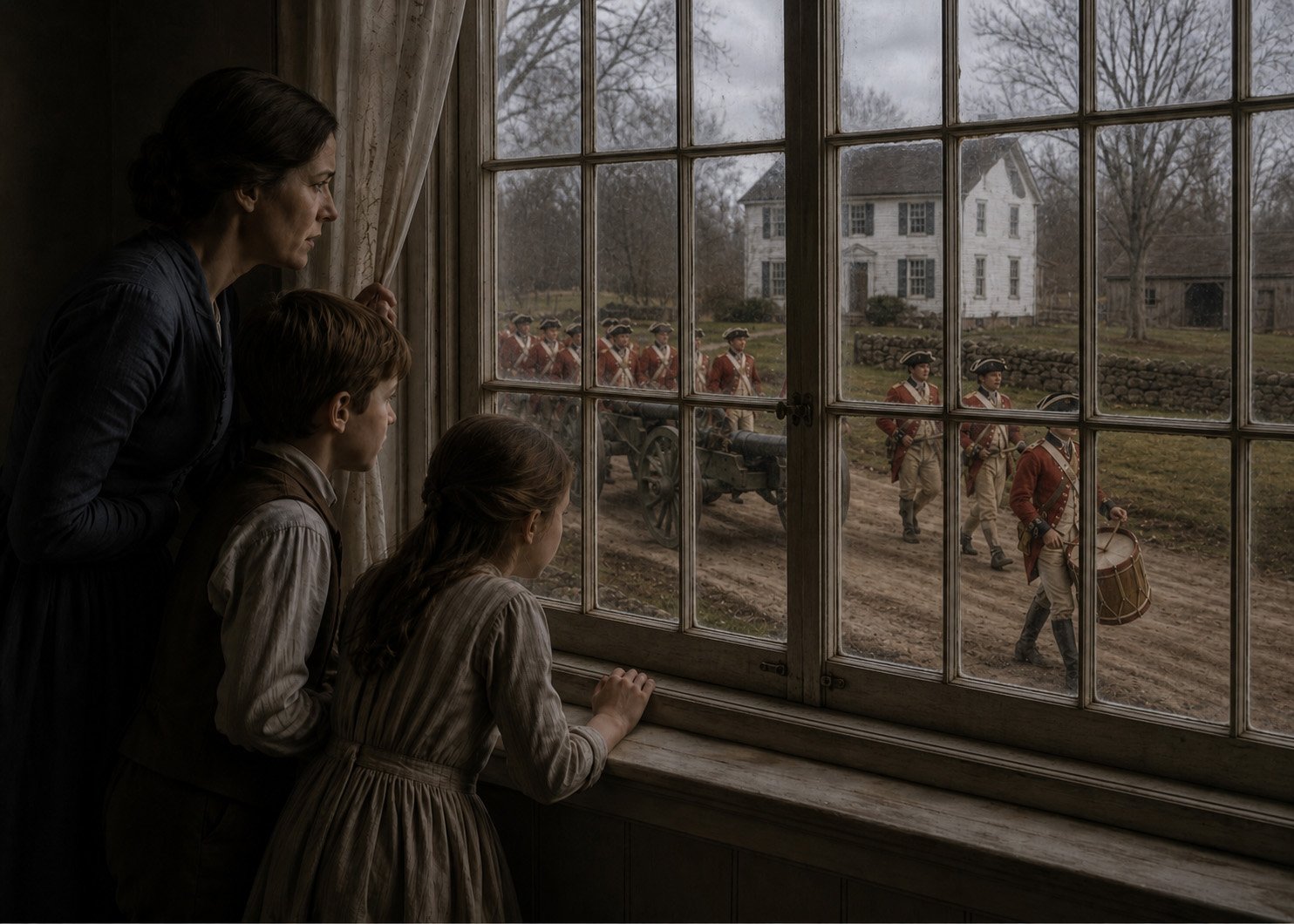
Note: Some historical inaccuracies in our AI-generated illustrations were noted in viewer comments – view our response and updates here. The Battle of Rhode Island deserves careful study, and the film has prompted viewers to look closely, ask questions, and share their expertise. Thanks are due to everyone who engaged with the project, especially those whose close attention helped identify errors and improve the historical record presented alongside the film.
October 24th & 25th: Trick r Treat through Time, 10 AM -3 PM, Nathanael Greene Homestead, Coventry
October 31st: Butts Hill Fort Volunteer Cleanup, 10 AM, Portsmouth
By Robert A. Geake

The coming of the Revolutionary War brought a host of challenges to the upstart colonies, chief among them was a lack of weapons and ammunition that would be used to defend communities against attack as well as weaponize the militias and Continental Army that were sent to fight the War of Independence. This lack of real weaponry, even though barely a decade past the close of the last “Indian War” was brought about by many factors. Chief among them were the various acts that the British Parliament passed to limit manufacturing in the colonies, and while many joined the forces fighting for Great Britain in the succession of wars that threats to the empirical plan wrought, many also felt that their efforts had done little for themselves or their new homeland.
Read an Article and Win some Gear!

How do I enter?
You can enter our monthly raffle by reading any of our articles and filling out the form at the bottom of the article page. Entering the contest will also add you to our mailing list, which you can opt out of at anytime. Winners will be chosen at the beginning of each month and notified via the email they used to register. Limit one entry per person per month. Enter every month to increase your odds of winning!
Did You Know?
Did You Know?
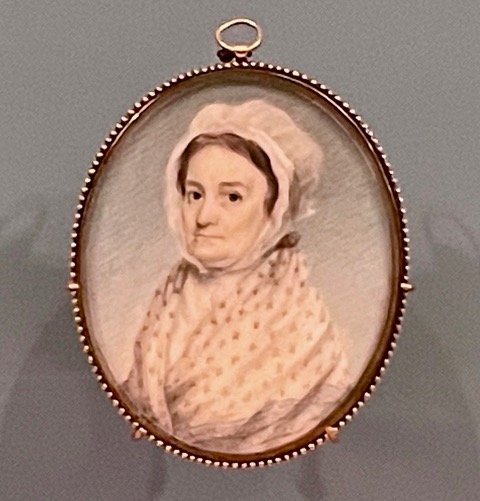
Mary Gould Almy was very open about her Loyalist sympathies. She ran a boarding house in Newport. Mary was a Loyalist, but husband Benjamin had volunteered to serve with the militia forces that were supporting the American Continental forces. Mary’s journal is written to her husband and relates what was happening in British-occupied Newport during August of 1778. She was horrified at the actions of the Rebels. She is even suspected of being a spy when the French arrived. After the war she and her Patriot husband went back to family life.
Catherine (Caty) Greene was married to Nathanael Greene in 1774 and found herself quickly involved in the Revolutionary War effort. Nathanael moved from commander of the Rhode Island Militia to general in the Continental Army in a short time. She opened her home in Coventry as a hospital when the Rhode Island troops were inoculated for smallpox. Caty traveled to wherever her husband was stationed (New York City, Valley Forge, and Carolinas), even after the birth of their first child in 1776.
Before the coming of the war, Sarah Osborn of Newport regularly prayed for the King. But with the experience of the Stamp Act, Coercive Acts and Boston Massacre, she and her church family rallied behind the Patriot cause. Sarah would later call the English “the enemy” in a letter to a friend. With the use of their church building as a barracks for British soldiers, Sarah’s humble home served as a center for religious activity. Even in occupied Newport the British soldiers considered her a good woman and respected her home and privacy.
While their husbands were called to serve in the army, it was their wives that shouldered the extra burdens of tending to a farm or business. Dorcas Matteson of Coventry was the mother of nineteen children. When her husband went to fight in General Sullivan’s Rhode Island Campaign in 1778, it was hay time. She had to cradle her baby on some hay in a shady spot in the meadow while a young lad helped her load hay and put it in a barn. She was close enough to hear the “roar of the cannon” during the Battle of Rhode Island and she imagined the danger her husband was in. He returned a few days later when his militia duty had expired. He was safe and sound, but he did have a “bullet hole about him” that was made as they retreated from the Island. The bullet was stopped from injuring her husband by a chunk of cheese that Dorcas had sent and her husband had placed in his knapsack.
Newport was a Loyalist leaning town, but all suffered during occupation. Aquidneck Island families found their livestock confiscated to feed British troops. Normal colonial trade was cut off, so Newport residents like Christian Bannister found themselves without necessary items. As time went by there were further restrictions. Christian was distressed that she could not make some of her normal visits to family. By June of 1777 the British enclosed the Newport area with gates and citizens were required to get passes to even visit friends in Middletown or Portsmouth.
Mary Wenwood was secretly sending information to the British about the strength of the American forces and their supplies in Massachusetts in 1775. She asked her former husband, Godfrey Wenwood, to pass a letter to British Captain Wallace of the ship Rose. Mary thought her ex-husband was a Loyalist and that she could trust him, but he showed the coded letter to others who were Patriots. Two months later Mary asked her former husband about the letter “to her sister” and why it hadn’t been delivered. He realized that the author of the letter had to be working for the British. Under duress she told him that Dr. Benjamin Church was the author. Church had fooled everyone. He was a member of the Sons of Liberty in Boston and worked closely with Washington, John and Samuel Adams and John Hancock. Church was arrested and found guilty of treason.
The Stamp Act (1765) was named for the official “Stamp” on the paper that proved the tax had been paid. Some of the colonists saw this as “taxation without representation” because they had no representatives in the British Parliament. In Newport this tax was met with some violence, but the women took more peaceful strategies. The women hoped that if Americans boycotted English goods that British merchants would pressure Parliament to repeal the Act. Colonial women had the responsibility of purchasing and making goods their families needed. They would wear “homespun” clothing instead of the fashions from England. The Newport Mercury on April 14, 1766 included a letter to the editor that 20 young ladies met at the “invitation of some young Gentlemen of Liberty, and exhibited a most noble pattern of industry, from a quarter after sunrise til sunset, spinning 74 and 2/3 skeins of good Linen Yarn.” Spinners met in many Rhode Island towns including Bristol. Little Compton, and Providence.
Rowing twelve miles from Newport to Point Judith, Jane Coggeshall and two companions made their escape from slavery. Their escape was especially dangerous because it was in March of 1777 when Aquidneck Island was occupied by the British and their military forces had tight control of the island. When they landed on the shores of the West Bay, the three were presented to the General Assembly that was meeting in South Kingstown. They were granted their freedom in exchange for information about the British troops on Aquidneck Island. They were given a pass to go wherever they could find work but Jane heard that her former owner had hired kidnappers to take her away by force. She petitioned the Rhode Island General Assembly to clarify her free status and she testified that she would rather “embrace death” than be re-enslaved. The Assembly agreed and in 1785 the General Assembly voted to declare Jane Coggeshall “entirely emancipated and made free.”
Dorcas Seabury Soule, mother of eleven children, captured a British spy during the American Revolution. One day, a stranger came to the family home at Tiverton Four Corners, requesting food. Dorcas became suspicious when, upon being asked his name, the stranger replied, “Touch me not.” Dorcas had seated the stranger with his back to the door, so thinking quickly, she went out to the family barn, got some horse reins, and used them to tie him up from behind. Both she and her husband received a commendation from colonial authorities for the capture.
Sarah Snell and Nathaniel Tompkins married in 1781. Nathaniel was a farmer and like most men at that time served as a soldier as well. Sarah and her husband lived on a 12-acre farm on Tompkins Lane in Little Compton. Life was never easy for Sarah. When her husband was away on duty she didn’t have the support of servants or farm workers — she had to manage all by herself. We have Sarah’s experience in her own words. This was recorded when she made an application for and received a pension many years later as a widow.
“[Nathaniel was] much in the service before as well as after our said marriage…. I had two children born after said marriage and before the close of the war. After our marriage, when my husband was away in the service I had to do, and did, many things, out of doors, that women in this town think they cannot do. We suffered great privation at that time.”
Sarah dictated her testimony and signed her name with an X. The small pension would have helped Sarah who according to her neighbors lived in poverty.
Gloria Schmidt – BoRIA Historical Advisor


